
In fast-paced industries like manufacturing, healthcare, hospitality, and logistics, the ability to respond swiftly and systematically to spills is critical. An effective response minimises hazards, protects assets, maintains regulatory compliance, and upholds your organisational reputation.
This guide provides an authoritative, step-by-step methodology to streamline your response protocols. Drawing on industry best practices, we deliver actionable strategies that senior leaders can implement to ensure both safety and operational continuity.
The Importance of Effective Spill Management
Mitigating Safety and Health Risks
Spills present immediate dangers, including slips, toxic exposure, and environmental contamination. Implementing a robust response protocol is a legal and ethical imperative. Organisations that prioritise spill management report fewer workplace incidents, lower insurance premiums, and higher employee morale.
Regulatory Compliance and Liability
Compliance with safety and environmental regulations is non-negotiable. Regulatory bodies have stringent requirements for reporting, containing, and remediating spills. Standardising your procedures and keeping meticulous records demonstrate due diligence, mitigate liability, and protect your organisation from fines and reputational damage.
Protecting Assets and the Environment
Efficient cleanup preserves valuable assets and minimises downtime. A delayed response can damage machinery, spoil inventory, or compromise sterile environments. Furthermore, a strict adherence to proper protocols prevents groundwater contamination and supports your broader sustainability goals.
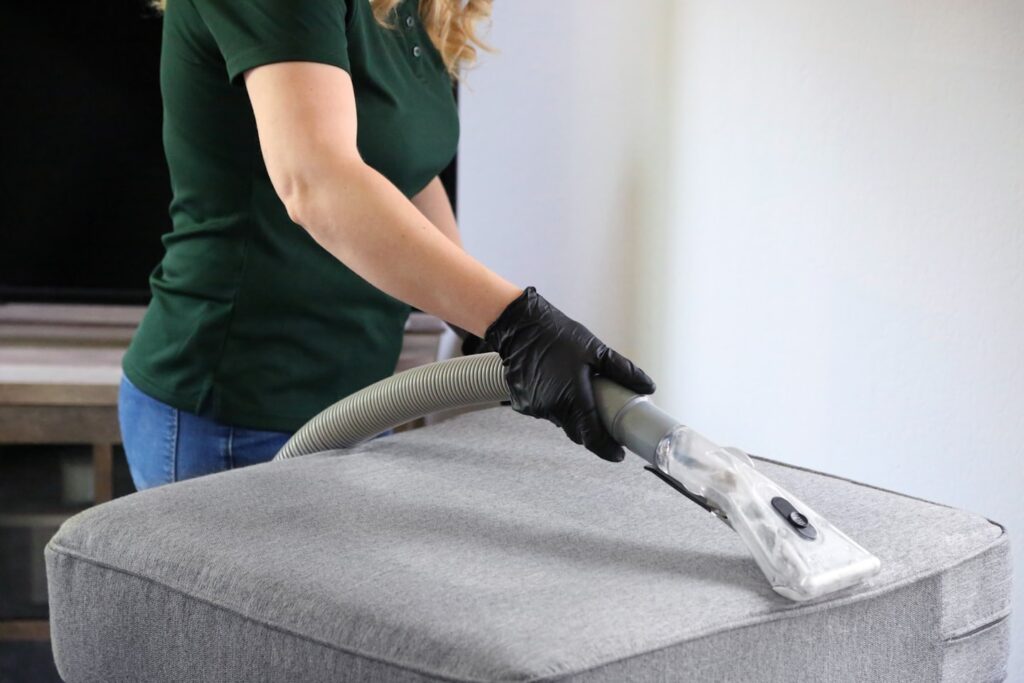
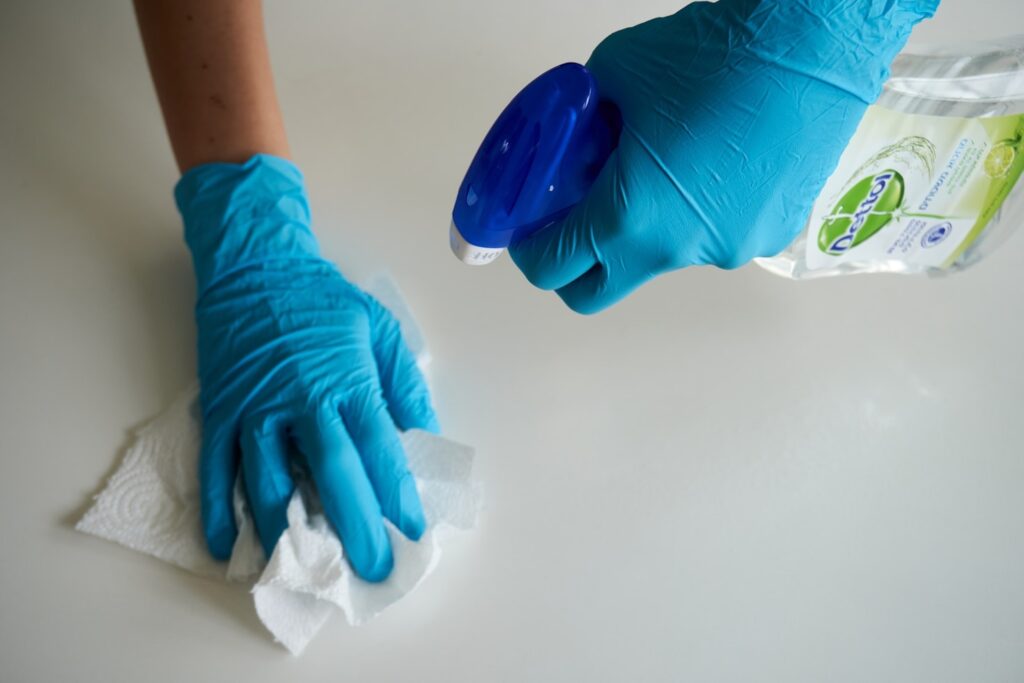
What does this mean for you? Less stress. Focus on growing the business, and let us handle the cleaning.” – Cleaner Near Me Wokingham
The 5-Step Spill Cleanup Protocol
Step 1: Assess and Secure the Area
Evaluate the Risk: Immediately identify the substance (chemical, biological, or non-hazardous) using hazard labels and Material Safety Data Sheets (MSDS). Determine the volume and potential for exposure to dictate the urgency of the response.
Control the Perimeter: Use barriers, caution tape, or cones to cordon off the zone. Communicate clearly with personnel to keep the area clear, preventing secondary incidents and buying your response team time to act.
Step 2: Equip and Protect Your Team
Select Proper PPE: Ensure responders have the correct Personal Protective Equipment, such as chemical-resistant gloves, goggles, respirators, and disposable coveralls, based on the specific hazard.
Deploy Customised Spill Kits: Stock spill kits with universal or substance-specific absorbents, neutralising agents, booms, and disposal bags. Place these kits strategically throughout the facility for rapid access.
Prioritise Training: Regular, scenario-based training ensures your team can make clear decisions under pressure and use equipment correctly.
Step 3: Contain the Spill
Deploy Physical Barriers: Encircle the spill with absorbent socks, booms, or dikes to stop it from migrating into sensitive areas or drains.
Eliminate Environmental Hazards: Shut down electrical equipment and extinguish open flames if the substance is volatile. Deploy storm drain covers to prevent external contamination.
Step 4: Clean and Decontaminate
Remove Waste Safely: Use designated tools to collect solid debris and saturated absorbents. Place all materials in clearly labelled, leak-proof containers for compliant disposal.
Neutralise and Disinfect: Clean the area with formulated chemical neutralisers or EPA-registered disinfectants for biological hazards.
Escalate if Necessary: For large-scale or highly hazardous spills, deploy industrial extractors or engage external remediation experts.
Step 5: Restore, Document, and Prevent
Verify the Cleanup: Conduct a visual inspection and, if necessary, surface testing before reopening the area.
Document Everything: Log the assessment, containment, and disposal actions for compliance audits and insurance purposes.
Conduct a Root Cause Analysis: Identify why the spill occurred (e.g., equipment failure, human error) and implement corrective actions. Update your protocols and share lessons learned with the wider team.
“Regular cleaning is excellent; however, some homes need a deep reset.” – We provide both services around the Wokingham and Crowthorne area.
Conclusion
In a high-stakes operational environment, managing spills efficiently is a vital competency. By prioritising safety, strict compliance, and continuous improvement, you can minimise risk and maintain stakeholder confidence. Ensure your protocols are regularly reviewed, rigorously practised, and deeply integrated into your company culture.
For further consultation or customised spill response solutions, connect with the experts at Time For You Cleaning Wokingham today.
In fast-paced industries like manufacturing, healthcare, hospitality, and logistics, the ability to respond swiftly and systematically to spills is critical. An effective response minimises hazards, protects assets, maintains regulatory compliance, and upholds your organisational reputation.
This guide provides an authoritative, step-by-step methodology to streamline your response protocols. Drawing on industry best practices, we deliver actionable strategies that senior leaders can implement to ensure both safety and operational continuity.
The Ultimate Guide to Tackling Household Spills
(Before They Stain!)
Keeping homes spotless across our community, spills are simply a part of life. Whether it is a knocked-over cup of morning coffee, a splash of red wine during a dinner party, or a muddy paw print on the hallway runner, accidents happen.
The secret to keeping your carpets and upholstery looking brand new isn’t making a mess—it’s knowing exactly how to handle it when you do. Here are my top, tried-and-tested tips for dealing with everyday household spills.
The Golden Rules of Spill Management
The Importance of Effective Spill Management
Mitigating Safety and Health Risks
Before we get into specific stains, always remember these two golden rules:
Act Fast: The quicker you get to a spill, the less time it has to soak into the fibres and set.
Blot, NEVER Rub: Scrubbing or rubbing a stain will only push the liquid deeper into the fabric and can damage the fibres. Always use a clean, white cloth or paper towel and press down firmly to absorb the liquid.
How to Handle Common Household Spills
1. Coffee and Tea ☕
Morning rushes often lead to coffee splashes.
- The Fix: First, blot up as much liquid as possible. Mix one tablespoon of liquid dish soap, one tablespoon of white vinegar, and two cups of warm water. Sponge the stain with the mixture using a clean cloth, blotting until the liquid is absorbed. Sponge with cold water and blot dry.
2. Red Wine 🍷
A classic culprit for ruining a relaxing evening!
- The Fix: Blot up the excess wine immediately. Sprinkle salt or baking soda generously over the damp area to absorb the remaining liquid—you will see it turn pink! Let it sit for a few minutes, vacuum it up, and then dab the remaining mark with a mixture of equal parts dish soap and white vinegar.
3. Pet Accidents 🐾
We love our furry friends, but they can be messy.
- The Fix: For urine spills, blot heavily to absorb the moisture. Mix equal parts white vinegar and water, and pour it over the stain to neutralise the ammonia and eliminate the odour. Blot it up, let it dry, sprinkle with baking soda, let it sit overnight, then vacuum.
4. Cooking Grease and Oil 🍳
Kitchen rugs and floors are magnets for cooking splatters.
The Fix: Sprinkle baking soda or cornflour directly onto the grease stain to absorb the oil. Let it sit for 15-20 minutes, then vacuum it up. If a mark persists, gently dab a small drop of grease-cutting dish soap on a damp cloth and softly blot the area to remove the remaining residue.
I am ready to hire.
When to Call in the Experts
Some spills are just too stubborn, or maybe you simply don’t have the time to scrub stains out of the living room rug. That is exactly what we are here for!
If you want to come home to a beautifully clean house without lifting a finger.
Let us handle the mess:
📞 Call us: 0208 088 6260 / 07585 098 509 / 01344 578 925
Leave a Reply